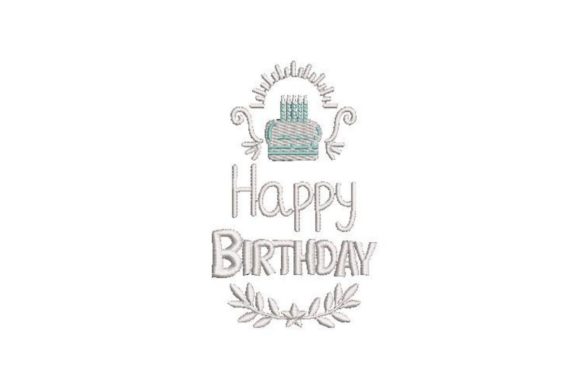
Personalized Greeting Card for Unique Gifts
First Impressions: A Touch of Uniqueness and Charm
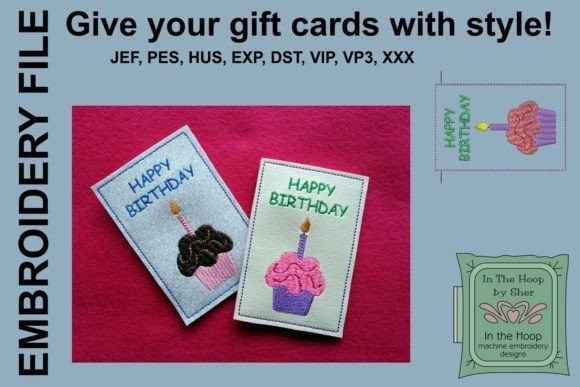
When I first laid eyes on the Greeting Card Closed design, it immediately struck me as a charming and versatile option. The description promises a "touch of unicity," and indeed, this design exudes a modern, yet festive vibe that could easily stand out in a craft fair setting. It's not overly bold or rustic, but rather, it has a clean, elegant feel that would appeal to a broad range of customers.
Performance on Various Products
Let's dive into how Greeting Card Closed performs on different products:
- Tote Bags: This design would work beautifully as a focal point on tote bags. The clean lines and modern aesthetic make it an eye-catching addition, perfect for gift-giving or personal use.
- Aprons: For aprons, the design can be used as a small accent near the pocket or as a larger centerpiece. Its versatility allows it to blend seamlessly with both casual and more formal kitchen styles.
- Kitchen Towels: On tea towels, Greeting Card Closed would add a touch of elegance. The design is not too dense, making it suitable for these thinner fabrics, and it would photograph well for online listings.
- Caps: While the design might be a bit too intricate for caps, with careful resizing and placement, it could still work as a subtle, decorative element.
- Patches and Pouches: As a patch or on a small pouch, this design would be a standout. The clean, modern look makes it ideal for smaller, detailed items.
- Pillow Covers: For pillow covers, Greeting Card Closed would serve as a beautiful, decorative element. It’s large enough to be a focal point but not so complex that it overwhelms the space.
Practical Selling and Production Points
From a practical standpoint, Greeting Card Closed is relatively easy to understand at a glance. It works well as both a small accent and a large focal design, which is a significant advantage for a variety of products. The design photographs cleanly, making it a strong candidate for online listings and printable mockups.
For batch production, the design is straightforward and repeatable. However, it’s always a good idea to test the design on scrap fabric to ensure there are no issues with stitch density or thread colors. Using the right stabilizer is crucial, especially for thinner fabrics like tea towels, to prevent puckering and maintain the design’s integrity.
Careful-Use Notes for Embroidery Designers
While Greeting Card Closed is generally versatile, there are a few considerations to keep in mind:
- Dense Stitch Areas: Check for any dense stitch areas that might cause the fabric to pucker or become stiff. Adjust the stitch density if necessary.
- Small Details: Tiny details and small lettering should be carefully reviewed to ensure they remain clear and legible, even at smaller sizes.
- Thick Fabric: When using thick or textured fabrics like towels, ensure the design is resized appropriately to avoid losing clarity.
- Curved Surfaces: For curved surfaces like caps, the design may need to be resized or repositioned to fit the curve without distortion.
- Dark Fabric: Use high-contrast thread colors to ensure the design stands out on dark fabrics.
Visual Appeal and Customer Engagement
The visual appeal of Greeting Card Closed is one of its strongest selling points. It adds a premium, handmade quality to any product, enhancing the overall value and attractiveness. In a craft fair setting, this design would draw attention and engage buyers, making it a valuable addition to your booth display.
For Etsy sellers and small shop owners, this design can help maintain brand consistency and offer a unique, personalized touch to your products. It’s a great way to stand out in a crowded market and provide customers with something truly special.
Final Thoughts and Recommendations
In conclusion, Greeting Card Closed is a versatile and appealing design that can enhance a wide range of craft fair and handmade products. Before moving forward with production, be sure to test the design on scrap fabric, check thread contrast, review spacing, confirm hoop size, inspect stitch density, and use the right stabilizer. Creating at least one real mockup will also help you see how the design looks in practice.
Lastly, always confirm commercial licensing before selling finished products. With these steps, you’ll be well on your way to creating stunning, high-quality embroidered items that are sure to delight your customers.